
An Overview of Worm Shafts and Gears
This article supplies an overview of worm shafts and gears, such as the type of toothing and deflection they expertise. Other subject areas coated contain the use of aluminum as opposed to bronze worm shafts, calculating worm shaft deflection and lubrication. A comprehensive comprehending of these issues will assist you to design and style much better gearboxes and other worm gear mechanisms. For more info, you should pay a visit to the connected websites. We also hope that you will uncover this post educational.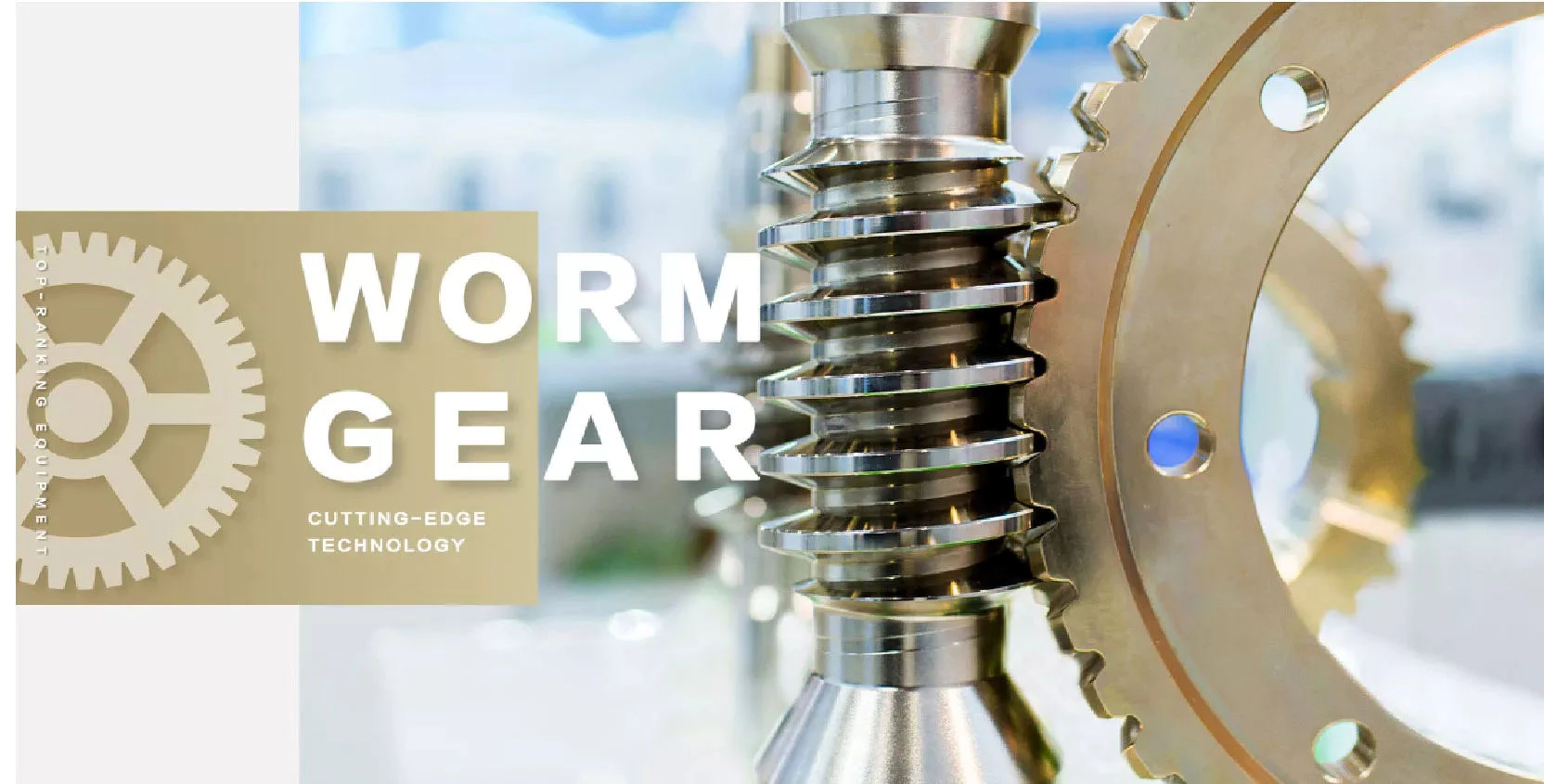
Double throat worm gears
The pitch diameter of a worm and the pitch of its worm wheel need to be equal. The two varieties of worm gears have the very same pitch diameter, but the difference lies in their axial and circular pitches. The pitch diameter is the distance between the worm’s teeth together its axis and the pitch diameter of the larger gear. Worms are created with remaining-handed or right-handed threads. The guide of the worm is the distance a position on the thread travels for the duration of a single revolution of the worm equipment. The backlash measurement ought to be manufactured in a handful of diverse places on the gear wheel, as a big amount of backlash implies tooth spacing.
A double-throat worm gear is developed for high-load programs. It gives the tightest relationship in between worm and gear. It is essential to mount a worm equipment assembly appropriately. The keyway design and style needs numerous points of make contact with, which block shaft rotation and aid transfer torque to the equipment. Following figuring out the spot of the keyway, a gap is drilled into the hub, which is then screwed into the gear.
The dual-threaded design and style of worm gears makes it possible for them to stand up to hefty loads with out slipping or tearing out of the worm. A double-throat worm equipment gives the tightest link among worm and gear, and is therefore ideal for hoisting purposes. The self-locking character of the worm gear is one more benefit. If the worm gears are made well, they are outstanding for reducing speeds, as they are self-locking.
When selecting a worm, the variety of threads that a worm has is vital. Thread commences establish the reduction ratio of a pair, so the increased the threads, the better the ratio. The very same is real for the worm helix angles, which can be 1, two, or 3 threads lengthy. This differs among a single thread and a double-throat worm gear, and it is critical to contemplate the helix angle when choosing a worm.
Double-throat worm gears differ in their profile from the actual gear. Double-throat worm gears are especially useful in applications the place noise is an issue. In addition to their lower noise, worm gears can soak up shock masses. A double-throat worm gear is also a popular option for numerous various varieties of purposes. These gears are also frequently utilized for hoisting tools. Its tooth profile is various from that of the actual gear.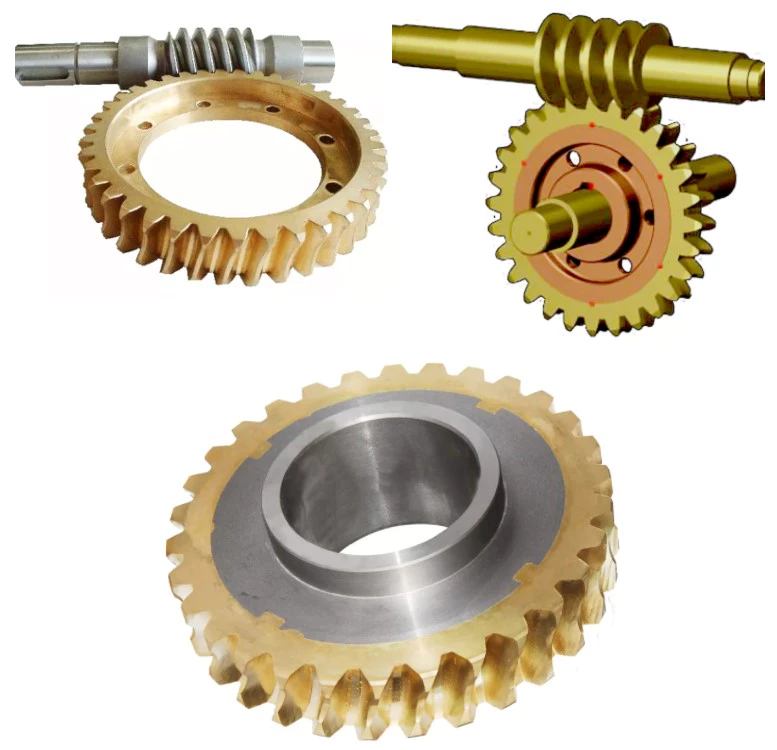
Bronze or aluminum worm shafts
When deciding on a worm, a couple of factors should be kept in head. The materials of the shaft need to be either bronze or aluminum. The worm by itself is the principal ingredient, but there are also addendum gears that are obtainable. The overall number of enamel on equally the worm and the addendum gear need to be better than forty. The axial pitch of the worm demands to match the round pitch of the greater equipment.
The most typical materials employed for worm gears is bronze because of its fascinating mechanical houses. Bronze is a wide time period referring to different copper alloys, like copper-nickel and copper-aluminum. Bronze is most generally created by alloying copper with tin and aluminum. In some instances, this mixture generates brass, which is a similar steel to bronze. The latter is considerably less expensive and appropriate for mild masses.
There are many advantages to bronze worm gears. They are strong and resilient, and they provide outstanding dress in-resistance. In contrast to metal worms, bronze worm gears are quieter than their counterparts. They also demand no lubrication and are corrosion-resistant. Bronze worms are common with modest, light-weight-weight machines, as they are effortless to sustain. You can read through more about worm gears in CZPT’s CZPT.
Even though bronze or aluminum worm shafts are the most common, both resources are similarly suitable for a variety of programs. A bronze shaft is often known as bronze but may possibly in fact be brass. Historically, worm gears were manufactured of SAE sixty five gear bronze. Nonetheless, newer components have been released. SAE sixty five equipment bronze (UNS C90700) stays the desired materials. For high-volume apps, the content personal savings can be significant.
Each types of worms are basically the same in measurement and condition, but the direct on the still left and proper tooth surfaces can differ. This allows for specific adjustment of the backlash on a worm without having altering the centre length between the worm gear. The distinct dimensions of worms also make them less difficult to manufacture and sustain. But if you want an particularly small worm for an industrial application, you should consider bronze or aluminum.
Calculation of worm shaft deflection
The centre-line distance of a worm gear and the variety of worm enamel enjoy a crucial function in the deflection of the rotor. These parameters must be entered into the device in the identical units as the main calculation. The chosen variant is then transferred to the primary calculation. The deflection of the worm gear can be calculated from the angle at which the worm teeth shrink. The pursuing calculation is helpful for developing a worm equipment.
Worm gears are widely utilized in industrial apps due to their higher transmittable torques and huge gear ratios. Their difficult/soft materials mix tends to make them ideally suited for a extensive variety of apps. The worm shaft is usually manufactured of situation-hardened metal, and the worm wheel is fabricated from a copper-tin-bronze alloy. In most cases, the wheel is the area of contact with the gear. Worm gears also have a lower deflection, as high shaft deflection can affect the transmission precision and improve wear.
Yet another strategy for figuring out worm shaft deflection is to use the tooth-dependent bending stiffness of a worm gear’s toothing. By calculating the stiffness of the personal sections of a worm shaft, the stiffness of the whole worm can be decided. The approximate tooth location is demonstrated in figure 5.
One more way to estimate worm shaft deflection is by employing the FEM method. The simulation resource utilizes an analytical product of the worm gear shaft to figure out the deflection of the worm. It is based mostly on a two-dimensional design, which is a lot more appropriate for simulation. Then, you need to input the worm gear’s pitch angle and the toothing to calculate the highest deflection.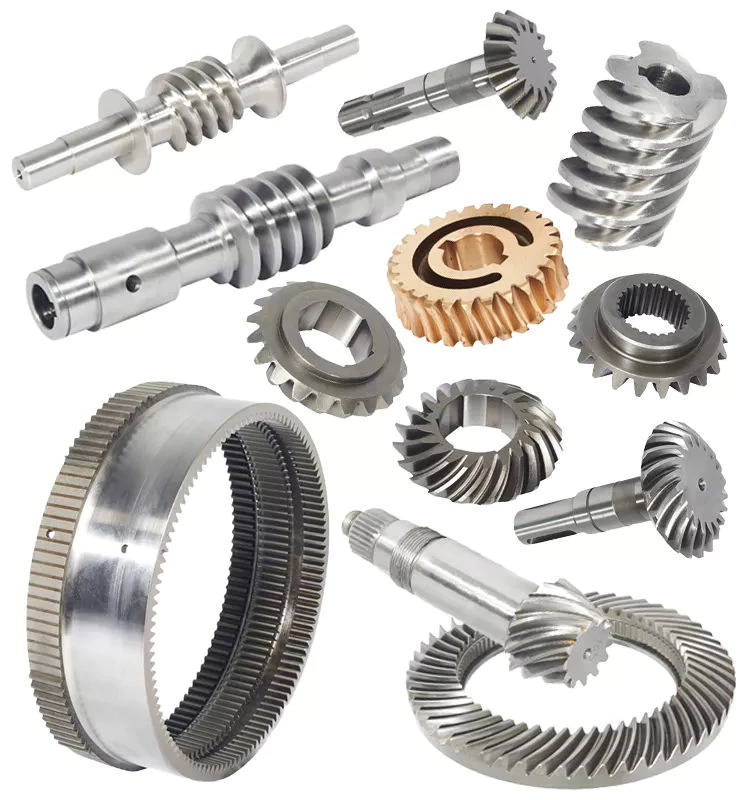
Lubrication of worm shafts
In purchase to shield the gears, worm drives need lubricants that provide excellent anti-put on defense, large oxidation resistance, and lower friction. Even though mineral oil lubricants are widely used, synthetic base oils have better functionality qualities and reduced operating temperatures. The Arrhenius Price Rule states that chemical reactions double every 10 levels C. Artificial lubricants are the ideal choice for these programs.
Synthetics and compounded mineral oils are the most well-known lubricants for worm gears. These oils are formulated with mineral basestock and 4 to six % artificial fatty acid. Surface-active additives give compounded gear oils outstanding lubricity and stop sliding dress in. These oils are suited for higher-pace purposes, including worm gears. Nonetheless, synthetic oil has the downside of being incompatible with polycarbonate and some paints.
Artificial lubricants are costly, but they can enhance worm equipment effectiveness and functioning daily life. Artificial lubricants typically drop into two categories: PAO artificial oils and EP synthetic oils. The latter has a greater viscosity index and can be employed at a assortment of temperatures. Artificial lubricants typically incorporate anti-use additives and EP (anti-put on).
Worm gears are regularly mounted above or below the gearbox. The suitable lubrication is crucial to ensure the proper mounting and procedure. Quite often, inadequate lubrication can trigger the unit to fail sooner than expected. Because of this, a technician may not make a link amongst the absence of lube and the failure of the unit. It is crucial to adhere to the manufacturer’s recommendations and use substantial-top quality lubricant for your gearbox.
Worm drives reduce backlash by reducing the enjoy between equipment teeth. Backlash can trigger damage if unbalanced forces are launched. Worm drives are lightweight and resilient because they have nominal relocating parts. In addition, worm drives are minimal-sounds and vibration. In addition, their sliding motion scrapes away excess lubricant. The continuous sliding action generates a substantial quantity of warmth, which is why excellent lubrication is essential.
Oils with a large film energy and excellent adhesion are ideal for lubrication of worm gears. Some of these oils contain sulfur, which can etch a bronze gear. In get to stay away from this, it is crucial to use a lubricant that has higher movie strength and helps prevent asperities from welding. The perfect lubricant for worm gears is one that provides excellent movie energy and does not contain sulfur.


 English
  Italian