
Item Description
Substantial Quality Synchronizer Ring Copper Ring Japanese Truck Synchronzier Components Me601845 T42
Company Profile
Certifications
Our Advantages
Our team
Exhibition
Packaging & Shipping
An Overview of Worm Shafts and Gears
This article gives an overview of worm shafts and gears, such as the sort of toothing and deflection they knowledge. Other topics lined include the use of aluminum compared to bronze worm shafts, calculating worm shaft deflection and lubrication. A complete understanding of these problems will help you to design and style greater gearboxes and other worm gear mechanisms. For even more info, please pay a visit to the related internet sites. We also hope that you will uncover this report useful.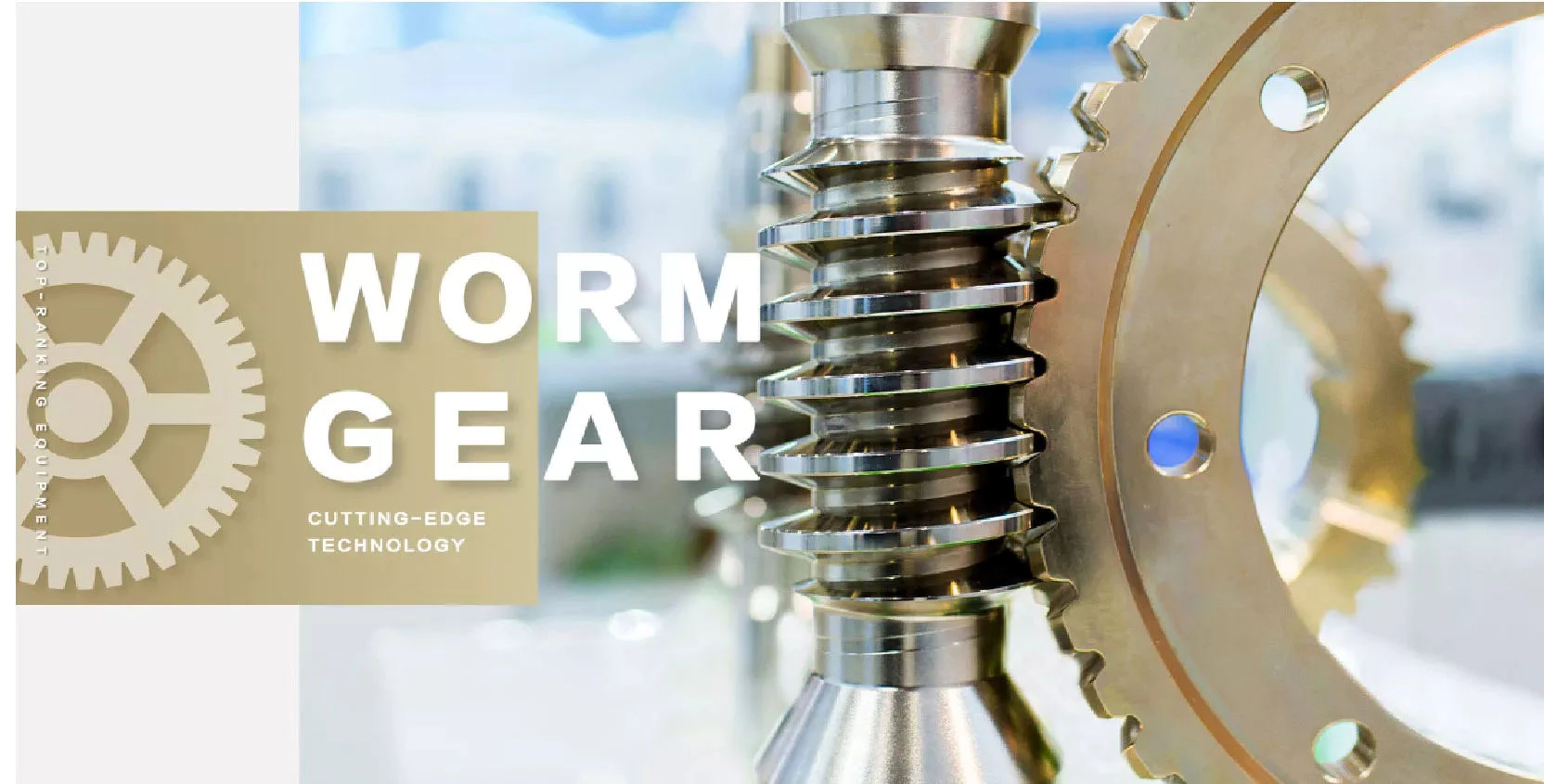
Double throat worm gears
The pitch diameter of a worm and the pitch of its worm wheel have to be equivalent. The two kinds of worm gears have the exact same pitch diameter, but the difference lies in their axial and round pitches. The pitch diameter is the distance amongst the worm’s enamel along its axis and the pitch diameter of the larger equipment. Worms are produced with still left-handed or correct-handed threads. The guide of the worm is the length a point on the thread travels during one revolution of the worm equipment. The backlash measurement should be manufactured in a number of different places on the gear wheel, as a large volume of backlash implies tooth spacing.
A double-throat worm equipment is developed for large-load applications. It provides the tightest relationship in between worm and equipment. It is critical to mount a worm equipment assembly properly. The keyway layout demands several points of contact, which block shaft rotation and assist transfer torque to the equipment. Following determining the location of the keyway, a hole is drilled into the hub, which is then screwed into the gear.
The twin-threaded design and style of worm gears allows them to withstand weighty hundreds with no slipping or tearing out of the worm. A double-throat worm equipment supplies the tightest link amongst worm and equipment, and is consequently excellent for hoisting applications. The self-locking nature of the worm equipment is another edge. If the worm gears are developed well, they are outstanding for minimizing speeds, as they are self-locking.
When selecting a worm, the amount of threads that a worm has is essential. Thread begins establish the reduction ratio of a pair, so the increased the threads, the better the ratio. The exact same is correct for the worm helix angles, which can be 1, two, or three threads long. This differs in between a single thread and a double-throat worm gear, and it is essential to take into account the helix angle when selecting a worm.
Double-throat worm gears differ in their profile from the true equipment. Double-throat worm gears are particularly useful in apps exactly where sound is an problem. In addition to their reduced noise, worm gears can absorb shock masses. A double-throat worm gear is also a well-known selection for many diverse varieties of programs. These gears are also generally used for hoisting equipment. Its tooth profile is diverse from that of the genuine equipment.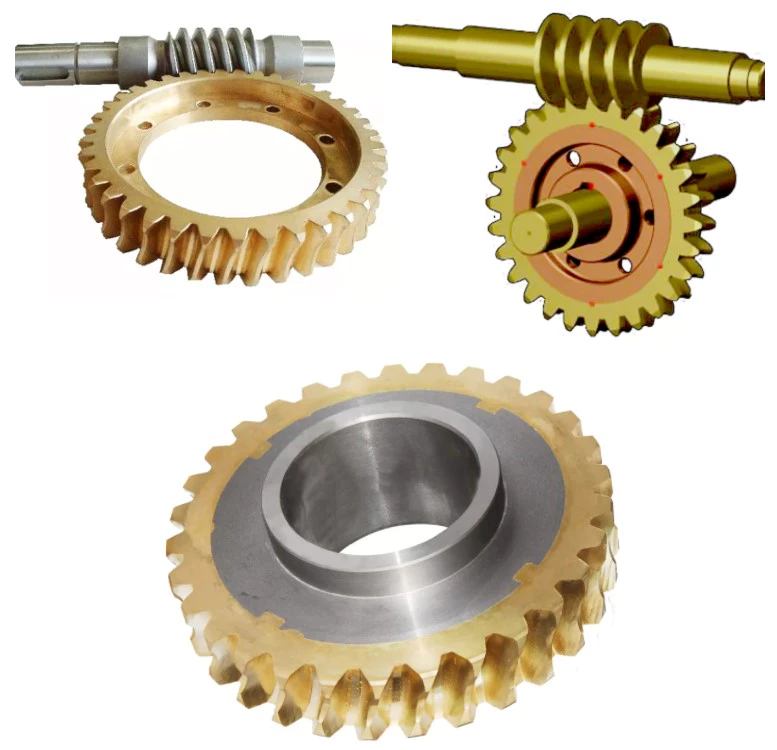
Bronze or aluminum worm shafts
When selecting a worm, a couple of factors need to be held in thoughts. The substance of the shaft should be either bronze or aluminum. The worm alone is the primary ingredient, but there are also addendum gears that are accessible. The complete quantity of enamel on both the worm and the addendum equipment must be better than forty. The axial pitch of the worm demands to match the round pitch of the bigger equipment.
The most frequent content employed for worm gears is bronze because of its appealing mechanical qualities. Bronze is a broad time period referring to various copper alloys, including copper-nickel and copper-aluminum. Bronze is most frequently developed by alloying copper with tin and aluminum. In some cases, this mix creates brass, which is a related steel to bronze. The latter is much less high-priced and suitable for gentle loads.
There are many advantages to bronze worm gears. They are strong and durable, and they supply outstanding use-resistance. In distinction to steel worms, bronze worm gears are quieter than their counterparts. They also call for no lubrication and are corrosion-resistant. Bronze worms are well-known with little, mild-weight devices, as they are straightforward to keep. You can go through much more about worm gears in CZPT’s CZPT.
Though bronze or aluminum worm shafts are the most widespread, the two components are equally ideal for a range of apps. A bronze shaft is frequently known as bronze but could truly be brass. Traditionally, worm gears had been made of SAE 65 equipment bronze. Nevertheless, newer materials have been released. SAE 65 gear bronze (UNS C90700) continues to be the chosen material. For high-volume applications, the substance cost savings can be substantial.
The two sorts of worms are essentially the exact same in size and shape, but the lead on the still left and appropriate tooth surfaces can differ. This allows for precise adjustment of the backlash on a worm without altering the middle distance among the worm gear. The various sizes of worms also make them less complicated to manufacture and preserve. But if you want an specifically tiny worm for an industrial application, you need to take into account bronze or aluminum.
Calculation of worm shaft deflection
The centre-line length of a worm gear and the quantity of worm tooth engage in a vital part in the deflection of the rotor. These parameters must be entered into the device in the identical models as the primary calculation. The selected variant is then transferred to the primary calculation. The deflection of the worm equipment can be calculated from the angle at which the worm teeth shrink. The subsequent calculation is helpful for creating a worm gear.
Worm gears are extensively utilised in industrial apps due to their high transmittable torques and huge equipment ratios. Their hard/gentle material blend can make them ideally suited for a wide range of purposes. The worm shaft is generally made of situation-hardened steel, and the worm wheel is fabricated from a copper-tin-bronze alloy. In most circumstances, the wheel is the area of get in touch with with the equipment. Worm gears also have a low deflection, as large shaft deflection can influence the transmission accuracy and boost put on.
An additional approach for determining worm shaft deflection is to use the tooth-dependent bending stiffness of a worm gear’s toothing. By calculating the stiffness of the person sections of a worm shaft, the stiffness of the whole worm can be established. The approximate tooth region is demonstrated in figure 5.
Yet another way to compute worm shaft deflection is by using the FEM strategy. The simulation resource uses an analytical model of the worm gear shaft to figure out the deflection of the worm. It is based mostly on a two-dimensional model, which is far more appropriate for simulation. Then, you want to input the worm gear’s pitch angle and the toothing to determine the optimum deflection.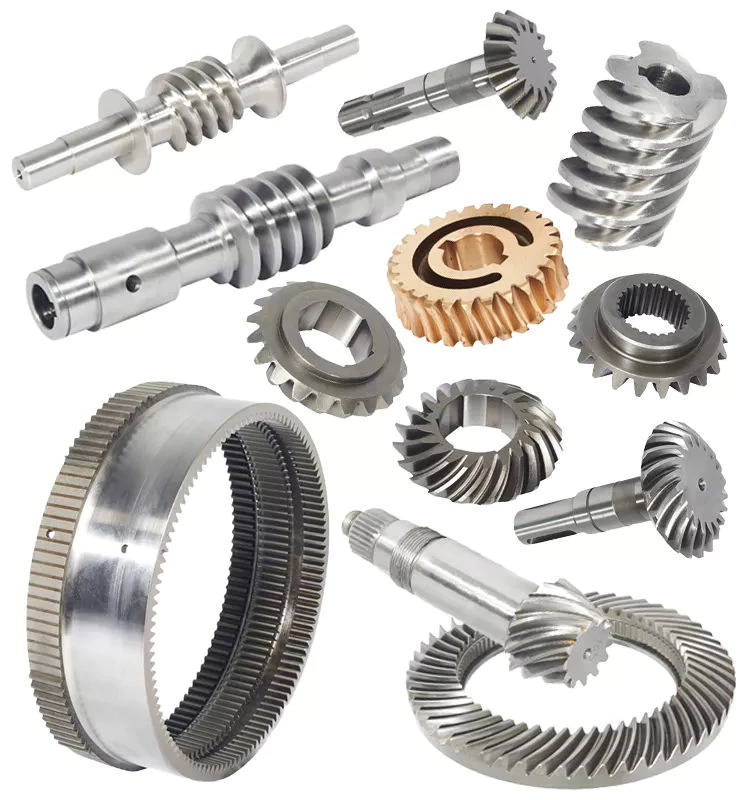
Lubrication of worm shafts
In buy to shield the gears, worm drives need lubricants that supply superb anti-wear protection, large oxidation resistance, and reduced friction. Whilst mineral oil lubricants are commonly used, synthetic base oils have greater overall performance traits and reduce operating temperatures. The Arrhenius Rate Rule states that chemical reactions double each ten degrees C. Synthetic lubricants are the best selection for these purposes.
Synthetics and compounded mineral oils are the most well-liked lubricants for worm gears. These oils are formulated with mineral basestock and 4 to six per cent artificial fatty acid. Surface area-energetic additives give compounded equipment oils fantastic lubricity and stop sliding dress in. These oils are suited for large-pace programs, such as worm gears. Nevertheless, artificial oil has the drawback of getting incompatible with polycarbonate and some paints.
Synthetic lubricants are high-priced, but they can improve worm equipment effectiveness and running existence. Artificial lubricants normally tumble into two groups: PAO artificial oils and EP artificial oils. The latter has a increased viscosity index and can be utilized at a selection of temperatures. Artificial lubricants frequently contain anti-wear additives and EP (anti-wear).
Worm gears are frequently mounted more than or beneath the gearbox. The proper lubrication is important to ensure the correct mounting and procedure. In many cases, inadequate lubrication can lead to the device to are unsuccessful quicker than predicted. Because of this, a technician might not make a relationship amongst the absence of lube and the failure of the device. It is important to follow the manufacturer’s tips and use substantial-high quality lubricant for your gearbox.
Worm drives decrease backlash by reducing the enjoy amongst equipment tooth. Backlash can trigger harm if unbalanced forces are launched. Worm drives are lightweight and durable due to the fact they have minimum transferring components. In addition, worm drives are minimal-sound and vibration. In addition, their sliding movement scrapes absent extra lubricant. The consistent sliding action generates a substantial sum of heat, which is why outstanding lubrication is essential.
Oils with a high movie power and excellent adhesion are best for lubrication of worm gears. Some of these oils incorporate sulfur, which can etch a bronze gear. In buy to avoid this, it is essential to use a lubricant that has higher film power and helps prevent asperities from welding. The best lubricant for worm gears is a single that gives excellent movie energy and does not contain sulfur.


 English
  Italian